How to Read a Beauty Testimonial Without Treating It as a Guarantee
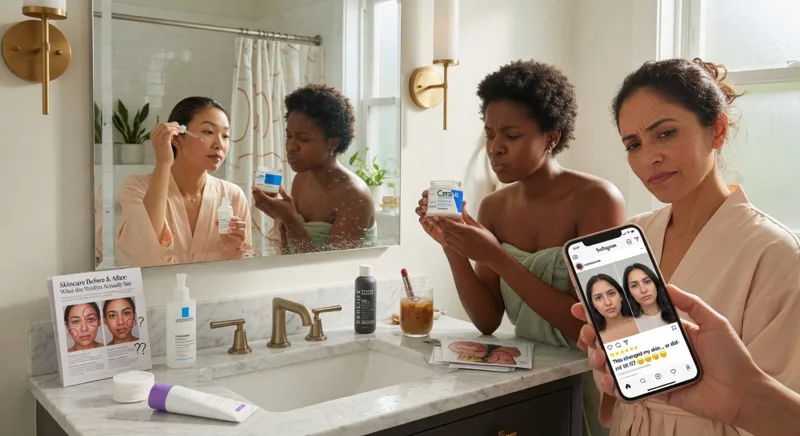
A beauty testimonial can offer useful insight—but it is not a promise of your results. Learning how to read a beauty testimonial without treating it as a guarantee helps you separate personal experience, marketing language, and reliable evidence before choosing a skincare product or cosmetic treatment.
What a Beauty Testimonial Really Tells You
A testimonial describes one person’s experience with a product, service, or procedure. It may explain how someone felt about a vitamin C serum, acne treatment, laser hair removal session, chemical peel, dermal filler, or cosmetic surgery recovery.
That experience can be genuine and still fail to predict what will happen for you. Skin type, age, genetics, medical history, hormones, lifestyle, climate, product routine, treatment technique, and aftercare can all influence the outcome.
Think of a testimonial as a story—not as clinical proof. It may help you identify questions to ask, but it cannot establish that a product works for everyone or that a procedure is risk-free.
Separate Personal Experience From Evidence
Strong emotional language can make a testimonial sound more convincing than it is. Phrases such as “changed my life,” “worked overnight,” or “the best treatment ever” communicate enthusiasm, not necessarily effectiveness.
When reading a beauty review, ask:
- What specific result does the person describe?
- How long did they use the product or wait after treatment?
- Did they mention side effects, downtime, or disappointing results?
- Do they explain their skin type, concerns, or previous treatments?
- Are the claims supported by independent research or only by personal opinion?
A person may report fewer breakouts after using a cleanser, for example, but the improvement could also relate to changes in diet, stress, medication, seasonal weather, or the rest of their skincare routine.
Look for Transparency and Context
The most useful testimonials include practical details rather than vague praise. Look for information about the exact product, concentration, treatment type, number of sessions, recovery period, and maintenance requirements.
Before-and-after photos can add context, but they also require careful interpretation. Lighting, camera angle, facial expression, makeup, filters, and image editing can change how results appear. A photo is more informative when it shows consistent lighting, a realistic timeline, and comparable views.
For cosmetic procedures, compare testimonials from people with similar skin tone, skin type, hair characteristics, age, and treatment goals. The American Academy of Dermatology recommends asking about realistic results, risks, downtime, and examples involving patients with similar skin characteristics.[4]
Watch for Marketing Signals
Testimonials may appear on a clinic website, social media account, product page, influencer channel, or review platform. Their location matters because businesses usually select testimonials that present them favorably.
Be cautious when a review:
- Promises guaranteed results or permanent perfection.
- Uses dramatic language without measurable details.
- Claims a product works for every skin type.
- Suggests a treatment has no risks or recovery time.
- Includes a discount code, affiliate link, or sponsored placement without clear disclosure.
- Focuses only on positive comments while hiding critical feedback.
- Uses heavily edited before-and-after images.
Advertising guidance treats testimonials as endorsements when audiences are likely to view them as another person’s experience. Advertisers still need appropriate support for performance claims, and an individual testimonial should not automatically be interpreted as a typical result.[2][3]
Check Whether the Reviewer Has a Material Connection
A reviewer may receive free products, payment, commission, discounts, complimentary treatments, or other benefits. These arrangements do not automatically make the testimonial false, but they can influence how the review should be interpreted.
Look for clear disclosure near the testimonial rather than hidden information in a profile or separate page. The Federal Trade Commission advises that material connections between endorsers and marketers should be disclosed when they could affect how people evaluate the recommendation.[5]
Also remember that a customer review and a paid testimonial are not always the same thing. A review platform may collect broad customer feedback, while a brand may select and publish individual testimonials for advertising purposes.[1]
Use Testimonials to Build Questions, Not Conclusions
A sensible beauty research process treats testimonials as a starting point. Use them to discover what other people experienced, then verify important claims through qualified professionals, product labels, clinical evidence, and reputable medical or regulatory sources.
- Identify the exact product, ingredient, procedure, or device.
- Check whether the reviewer’s goals and skin characteristics resemble yours.
- Search for independent evidence, not only brand-controlled reviews.
- Review possible side effects, contraindications, recovery time, and maintenance.
- Ask a qualified dermatologist or other licensed professional for individualized advice.
- Consider the full cost, including consultations, repeat treatments, aftercare, and potential correction procedures.
Insurance may not cover elective cosmetic procedures, while medically necessary dermatological care can have different coverage rules. Confirm costs and coverage directly with the provider and insurer rather than relying on a testimonial that says a treatment was “affordable.”
How to Read Negative Testimonials
Critical reviews deserve attention, but they also require context. A complaint about irritation could reflect improper use, an allergy, excessive product layering, poor aftercare, or an expected adjustment period. Conversely, repeated reports of the same reaction may signal a meaningful pattern.
Look for recurring themes across independent sources. One unusually positive or negative story is less informative than a consistent body of feedback describing similar benefits, limitations, risks, and customer experiences.
The Bottom Line
The best way to read a beauty testimonial without treating it as a guarantee is to value it as personal context, not proof. A thoughtful testimonial can reveal practical details, possible questions, and common concerns—but your result may differ.
Use testimonials alongside reliable evidence, transparent disclosures, realistic expectations, and professional guidance. In beauty and cosmetic care, informed decisions come from understanding both the appealing outcome and the limitations, risks, costs, and uncertainty behind it.