Why Bathroom Storage Conditions Matter for Beauty Products
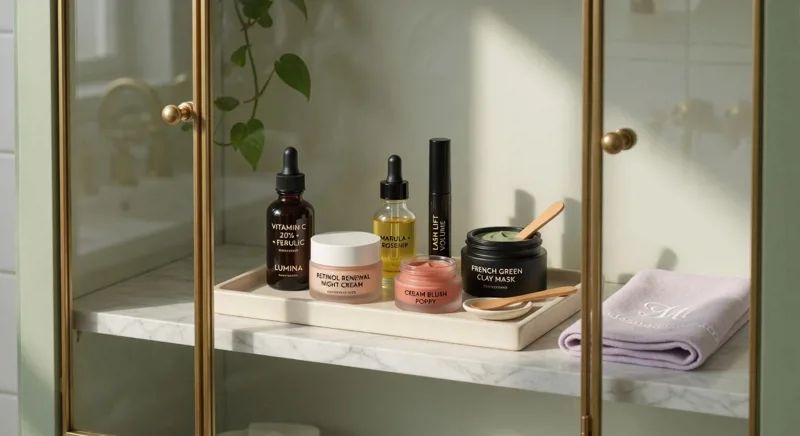
Why bathroom storage conditions matter for beauty products comes down to three things: heat, humidity, and contamination. Steam from a shower may seem harmless, but repeated exposure can shorten product life, change texture, and create conditions where bacteria and fungi grow more easily.[1]
How Bathroom Conditions Affect Skincare and Makeup
Many beauty products contain water, oils, active ingredients, and preservatives. Their formulas are designed to remain stable within certain conditions. A warm, damp bathroom can gradually disrupt that balance, especially when products sit beside a shower, bathtub, or sink.
Humidity Can Encourage Microbial Growth
Moisture is one of the biggest concerns with bathroom storage. When condensation settles on jars, lids, applicators, or open palettes, it can introduce water and microorganisms into products. The FDA specifically notes that bathroom moisture may make it easier for bacteria and fungi to grow.[1]
This matters most for products used around the eyes, lips, and broken or sensitive skin. Mascara, liquid eyeliner, cream blush, facial masks, and open-jar moisturizers can be particularly vulnerable because they are frequently exposed to air, fingers, or applicators.
Heat Can Weaken Preservatives
Bathrooms often experience repeated temperature changes: cool before a shower, hot during it, and humid afterward. Over time, heat can contribute to preservative breakdown and faster microbial growth.[1]
High temperatures may also soften balms, melt solid products, separate oils, or make emulsions unstable. Even when a product does not look spoiled, its texture and performance may no longer match the original formula.
Light and Air Can Change Product Quality
Direct sunlight and constant air exposure can affect color, smell, and texture. This is especially relevant for vitamin C serums, retinoid products, botanical formulas, and other light-sensitive skincare. Temperature changes, sunlight, and air can all contribute to visible changes in cosmetics.[1]
A bright windowsill or open shelf may look convenient, but a cool, shaded cabinet is usually a better choice—provided it stays dry and away from shower steam.
Which Beauty Products Need the Most Care?
Not every product requires special storage, but some deserve extra attention. Use the label as the first guide, then consider how often the container is opened and whether the formula contains water.
- Vitamin C serum: Keep it away from heat and sunlight. Darkening, a sour smell, or an unusual texture may indicate degradation.
- Retinol and retinoid products: Store according to the label, typically in a cool, dark location.
- Eye makeup: Mascara, liquid eyeliner, and cream products can collect microbes through repeated use.
- Natural or preservative-free skincare: These formulas may have shorter usable periods and more specific storage instructions.
- Facial oils: Heat and light can accelerate oxidation, leading to an unpleasant smell or altered color.
- Clay masks and powders: Keep them dry, since moisture can encourage clumping and contamination.
- Sunscreen: Follow the expiration date and avoid storing it in hot areas, such as near a radiator or in a heated car.
Where Should You Store Skincare and Cosmetics?
The ideal beauty product storage location is cool, dry, clean, and protected from direct sunlight. For many products, a bedroom drawer, dressing table, or linen cabinet is more suitable than an open bathroom counter.
| Storage location | Potential concern | Better approach |
|---|---|---|
| Open shelf beside the shower | Steam, splashes, and temperature swings | Move products to a closed cabinet away from the shower |
| Bathroom windowsill | Direct sunlight and heat | Use a shaded drawer or cabinet |
| Under-sink cabinet | Leaks, condensation, and cleaning chemicals | Check for dampness and store products in a clean organizer |
| Bedroom drawer | Usually fewer humidity fluctuations | Keep containers closed and organized |
Refrigeration is not automatically necessary. In fact, storing products in a refrigerator without label guidance can alter texture or expose them to repeated temperature changes. Refrigerate only when the manufacturer specifically recommends it.
Simple Beauty Product Storage Habits That Help
- Close every lid tightly. This limits air exposure and helps prevent moisture from entering.
- Wash your hands before use. Fingers can transfer oil, dirt, bacteria, and fungi into jars.
- Use clean spatulas. This is especially helpful for creams and masks stored in open containers.
- Keep products away from splashes. Do not place containers where shower water or sink spray can reach them.
- Ventilate the bathroom. Use an exhaust fan or open a window when appropriate to reduce lingering humidity.
- Clean storage areas regularly. Wipe shelves and organizers, then let them dry completely.
- Follow the period-after-opening symbol. A jar symbol marked “6M” or “12M” indicates the recommended period of use after opening.
- Discard questionable products. Changes in smell, color, texture, separation, or irritation are reasons to stop using a product.
Why Product Expiration Dates Are Not the Whole Story
A date on the package is useful, but storage conditions also matter. Cosmetic shelf life generally refers to how long a product should remain safe and perform as expected when stored properly. Preservatives can break down over time, while heat and moisture may accelerate unwanted changes.[1]
That means a product kept in a cool, dry drawer may remain in better condition than one exposed daily to steam, sunlight, and splashes. However, proper storage cannot make an expired product safe again, so always follow the manufacturer’s instructions.
Make Your Bathroom Beauty Routine Safer
The best solution is not necessarily removing every cosmetic from the bathroom. Instead, keep only the products used daily in a dry, closed cabinet, and move backups and sensitive formulas to a cooler location. Avoid open shelves beside the shower, wipe containers clean, and pay attention to changes in smell, appearance, or texture.
Understanding why bathroom storage conditions matter for beauty products helps protect both product quality and skin health. A few simple changes—less steam, better ventilation, secure lids, and a cool storage area—can help skincare and makeup stay fresher, more stable, and safer to use.