When a Skincare Problem Deserves a Professional Opinion
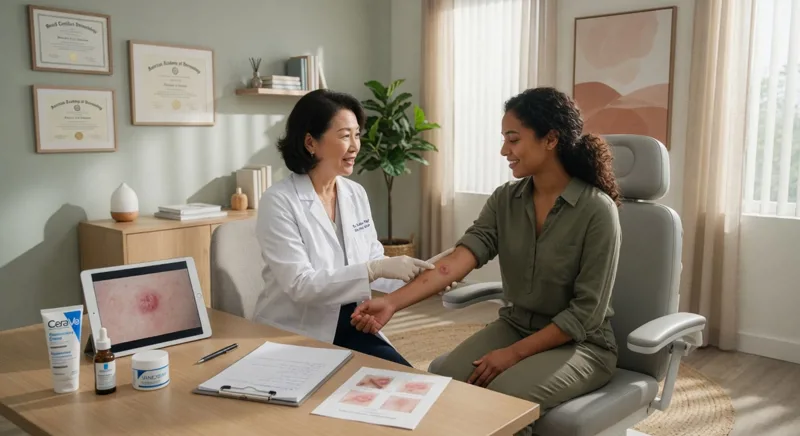
Wondering when a skincare problem deserves a professional opinion? Persistent acne, a changing mole, a painful rash, or irritated skin that will not heal may need more than an over-the-counter product. Knowing the warning signs can help you get the right care at the right time.
When Should You See a Dermatologist?
Many minor skin concerns improve with gentle cleansing, moisturizer, sunscreen, and time. However, self-care is not always enough. A dermatologist or primary care clinician can identify conditions that look similar but require very different treatments, including eczema, contact dermatitis, psoriasis, fungal infections, rosacea, and skin cancer.
Arrange a professional evaluation if your symptoms are:
- Persistent or repeatedly returning
- Getting worse despite reasonable home care
- Painful, intensely itchy, or affecting sleep
- Spreading to new areas of the body
- Leaving scars, dark spots, or permanent texture changes
- Interfering with work, school, exercise, or confidence
A clinician can also review your skincare routine, medications, allergies, and medical history to find possible triggers.
Acne That Needs More Than Over-the-Counter Skincare
Occasional blemishes are common, but acne deserves professional advice when it is deep, painful, widespread, or leaving scars. Cystic acne and nodules can cause long-term scarring without appropriate treatment, while persistent adult acne may sometimes be connected with hormones, medication, or another underlying issue.
Consider seeing a dermatologist if:
- Breakouts continue after several weeks of consistent, gentle treatment
- You have painful cysts or nodules
- Acne affects your back, chest, shoulders, or other unusual areas
- You notice acne scars or persistent post-inflammatory hyperpigmentation
- Breakouts began after starting a medication
- Acne is affecting your mood, relationships, or daily confidence
Professional acne treatment may include prescription topical medication, oral medication, hormonal evaluation, or advice about acne-safe skincare. Avoid squeezing deep spots, which can increase inflammation and scarring.
Rashes, Eczema, and Irritated Skin
A rash may result from an allergic reaction, irritant contact dermatitis, eczema, infection, medication, or an inflammatory skin condition. If the cause is unclear, repeatedly applying different products can make irritation worse.
Book an appointment when a rash is severe, widespread, painful, or does not improve with simple care. A rash involving the eyes, mouth, face, or genitals also deserves medical attention. Persistent symptoms after avoiding a suspected trigger may require allergy testing, prescription treatment, or a closer examination.
Seek urgent medical care if a rash is accompanied by fever, pus, yellow crusting, rapidly spreading redness, or signs of infection. Fever combined with an infected-looking rash can require immediate evaluation.[1]
Skin Changes That Should Be Checked
Do not ignore a new or changing mole, growth, patch, or sore. Professional assessment is especially important when a spot changes in size, shape, color, or texture, or when it repeatedly bleeds, crusts, itches, hurts, or fails to heal.
Use the ABCDE guide as a helpful reminder:
- Asymmetry: One half looks different from the other.
- Border: The edges are uneven, blurred, or irregular.
- Color: The spot contains multiple or changing colors.
- Diameter: It is increasing in size.
- Evolving: Any noticeable change over time.
These signs do not prove skin cancer, but they are reasons to schedule an examination. A sore or growth that does not heal, or that changes and bleeds, should be assessed by a healthcare professional.[2][3]
When Is a Skin Problem an Emergency?
Some symptoms should not wait for a routine dermatology appointment. Seek emergency care for difficulty breathing, throat or facial swelling, chest tightness, or a rapidly worsening rash after a product, medication, food, or insect sting.
Urgent evaluation is also appropriate for:
- A rapidly spreading rash
- Severe skin pain or extensive blistering
- Skin peeling over a large area
- Fever with a painful or infected-looking rash
- Swelling around the eyes or mouth
- Sudden widespread hives with breathing symptoms
These symptoms can indicate a serious allergic reaction, infection, or medication-related reaction.
How to Prepare for a Dermatology Appointment
A little preparation can make the visit more useful. Take clear photographs if the problem comes and goes, and note when it began, what makes it better or worse, and which products or medications you used.
- List current prescriptions, supplements, and over-the-counter products.
- Write down recent changes, such as a new detergent, cosmetic, medication, or treatment.
- Avoid applying heavy makeup before an appointment when possible.
- Ask whether the diagnosis is confirmed or requires testing.
- Request clear instructions about treatment, side effects, and follow-up.
Start with a primary care clinician if a dermatologist is not immediately available. They can assess many common conditions and refer you to a skin specialist when needed.[4]
The Bottom Line
When a skincare problem deserves a professional opinion depends on its persistence, severity, location, and effect on your health. A spot that changes, acne that scars, a rash that spreads, or irritation that disrupts daily life should not be dismissed as “just skincare.” Early evaluation can prevent complications, clarify the diagnosis, and help you choose treatment that is safer and more effective than trial and error.