The Packaging Details That Make a Moisturizer Easier to Use
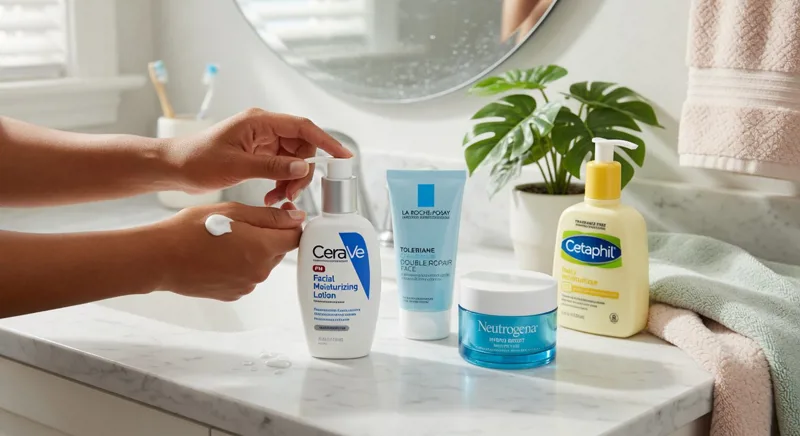
The packaging details that make a moisturizer easier to use often matter as much as the formula itself. A comfortable grip, controlled dispenser, secure cap, and clear instructions can turn daily skincare into a quick, frustration-free habit.
Why Moisturizer Packaging Matters
Moisturizer packaging has several jobs: it must protect the formula, dispense the right amount, stay clean, and feel comfortable in the hand. The best design also suits the product’s texture, from a lightweight face lotion to a rich barrier cream.
Packaging can influence how consistently people apply skincare. If a container is difficult to open, slippery in wet hands, or prone to dispensing too much product, users may apply less often or waste more. Thoughtful design supports convenience without compromising product stability.
1. Choose a Dispenser That Matches the Formula
Different moisturizer textures work better with different packaging types. A thin lotion may flow easily through a pump, while a dense cream may need a wider opening or a squeeze tube.
- Pump bottles: Useful for liquid lotions and everyday body moisturizers. They offer measured dispensing and reduce the need to touch the product.
- Airless pumps: Designed to dispense product while limiting repeated air entry. They can be helpful for formulas that require greater protection from exposure.
- Squeeze tubes: Portable, lightweight, and easy to control. Soft tubes are especially practical for travel or application with one hand.
- Wide-mouth jars: Suitable for thick creams, balms, and rich moisturizers that are difficult to move through a narrow pump.
- Flip-top bottles: Quick to open and close, making them convenient in the shower or when hands are wet.
No single package is best for every moisturizer. The formula’s viscosity, intended use, and storage needs should guide the choice.
2. Look for Easy, Controlled Dispensing
A good moisturizer container releases enough product without requiring excessive force. A smooth pump mechanism, flexible tube, or responsive flip-top makes it easier to control the amount and avoid waste.
Controlled dispensing is particularly useful for facial moisturizer, eye-area products, and concentrated creams. A small amount may be all that is needed, so packaging that releases a predictable portion helps users apply the product more consistently.
Helpful dispensing features include:
- A pump that works with a light press
- A narrow nozzle that prevents messy product flow
- A squeeze tube that does not require strong hand pressure
- A cap that stays attached instead of getting lost
- An opening that does not clog easily
3. Prioritize Grip and Accessibility
Moisturizer packaging should remain secure when hands are wet, oily, or covered with product. Matte finishes, raised textures, rounded edges, and wider grip areas can make a container easier to hold than a smooth, glossy bottle.
Accessible packaging also benefits people with arthritis, limited hand strength, or reduced dexterity. Stiff seals and tight screw caps can create unnecessary difficulty, while flip-tops, soft squeeze tubes, and low-resistance pumps require less effort.
Consider these practical design details:
- Non-slip or textured surfaces
- Large, easy-to-press pump heads
- Caps that open without excessive twisting
- Clear finger placement areas
- A stable base that prevents tipping
4. Keep the Formula Protected and Clean
Packaging hygiene matters because repeated contact can introduce dirt or microorganisms into a cosmetic product. The U.S. Food and Drug Administration advises keeping cosmetic containers clean and washing hands before using products, especially those stored in jars.[1]
A pump or tube can reduce direct contact with the product, while a jar provides convenient access to thick formulas but requires more careful use. This does not mean every jar moisturizer is unsafe; product safety depends on the formula, preservation system, manufacturing controls, packaging, and storage conditions.[1]
For jar-based moisturizers, use clean, dry hands or the included spatula. Close the lid firmly after every application, and avoid storing the product in hot, damp areas unless the label specifically allows it.
5. Make the Cap Easy to Open and Close
A cap should protect the moisturizer without becoming a daily obstacle. Flip-top caps are often faster than screw caps, especially when applying body lotion after bathing. Wide caps can also provide better leverage and reduce strain on the fingers.
The ideal closure should:
- Open with one hand when possible
- Provide a clear click or other closing signal
- Prevent leaks in a handbag or suitcase
- Remain attached to the container
- Work reliably after repeated use
6. Use Clear Labels and Useful Product Information
Readable labeling is another packaging detail that improves the user experience. Large, high-contrast text makes it easier to identify the product, understand directions, and check ingredients.
Important information should be easy to find, including the recommended amount, application instructions, storage guidance, warnings, and the product’s period-after-opening symbol when provided. A clearly marked opening or dispensing area is also helpful when several skincare products look similar.
7. Consider Portability and Product Waste
Travel-friendly moisturizer packaging should be light, leak-resistant, and easy to use in small spaces. A compact tube with a secure cap often works better for travel than a heavy glass jar.
Packaging should also help users empty as much product as possible. Flexible tubes can be rolled or cut open at the end, while well-designed pumps may move product upward so less remains trapped at the bottom. Refillable systems can reduce packaging waste, but they should still be simple to clean, assemble, and store.
How to Choose the Easiest Moisturizer Package
- Match the package to the moisturizer’s thickness.
- Choose a pump or tube when low-contact dispensing is important.
- Look for a textured, stable container that is easy to grip.
- Select a closure that works comfortably with wet or weakened hands.
- Check that the label is readable and instructions are clear.
- Consider travel, storage, refillability, and how completely the package empties.
Conclusion
The packaging details that make a moisturizer easier to use are practical rather than flashy: a comfortable grip, reliable closure, controlled dispenser, clean application method, and readable label. When these features match the formula and the user’s routine, moisturizing becomes simpler, less wasteful, and easier to maintain every day.