The Product Labels to Check Before Keeping an Old Favorite
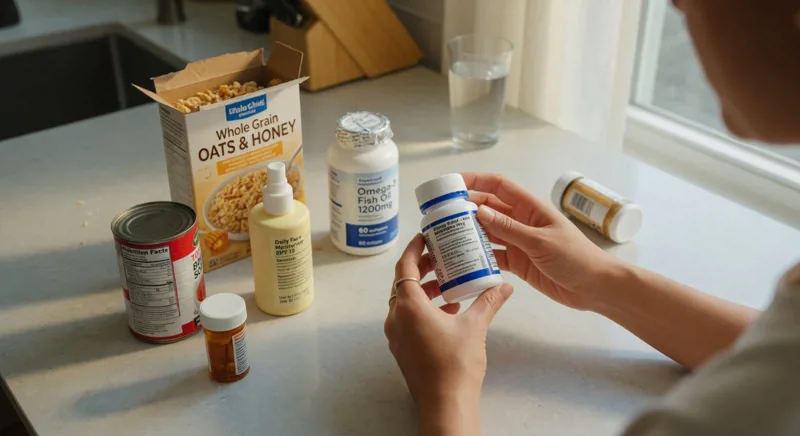
Before you keep using an old favorite, take a closer look at the packaging. The product labels to check before keeping an old favorite can reveal changes in ingredients, expiration guidance, allergens, recalls, storage requirements, and safety warnings.
Why Old Product Labels Deserve a Second Look
Packaging can change even when a product looks familiar. A manufacturer may update the formula, adjust serving sizes, replace an ingredient, change allergy information, or introduce new storage instructions. Your own needs may also have changed since you first bought it.
That beloved snack, moisturizer, supplement, cleaning product, or over-the-counter medicine may no longer be suitable simply because its name and appearance remain recognizable. A quick label check helps you decide whether to keep, use, replace, or discard it.
Start With the Date and Batch Information
Look for an expiration date, best-before date, use-by date, lot number, or batch code. These markings are especially important for medicines, infant formula, sunscreen, cosmetics, supplements, and products that can lose effectiveness over time.
Food date labels need more careful interpretation. In the United States, “Best if Used By” generally refers to peak quality rather than safety, while “Sell-By” helps retailers manage inventory. Except for infant formula, a food date is not automatically a safety deadline. However, food that smells sour, develops an unusual texture, shows mold, or has damaged packaging should not be eaten.[1][2]
- Expiration date: The manufacturer’s stated limit for use, particularly important for medicines and specialized products.
- Best if Used By: The period when food is expected to have its best flavor or quality.
- Use-By: The manufacturer’s recommended final date for peak quality; always follow stricter instructions for infant formula.
- Lot or batch code: A traceable identifier that can help confirm a recall or manufacturing issue.
Compare the Ingredient List With the Old Formula
Never assume a familiar product still contains the same ingredients. Compare an old package with a newer label, if available, and look for changes in oils, preservatives, fragrances, sweeteners, dyes, active ingredients, or plant extracts.
This matters if you have food allergies, sensitive skin, medication interactions, or dietary preferences. Terms such as “natural,” “clean,” “hypoallergenic,” and “fragrance-free” do not replace reading the full ingredient list. The complete ingredients and required warnings provide more useful information than front-of-package marketing language.
Pay Special Attention to Allergens
For packaged food, check the allergen statement and ingredients every time, even if you have purchased the item for years. Recipes can change without a dramatic redesign of the package. Watch for statements such as “Contains,” “May Contain,” or “Processed in a Facility With.”
Also inspect serving size and nutrition facts. A smaller package or reformulated recipe may contain more sugar, sodium, caffeine, or calories per serving than the version you remember.
Check Storage and Condition
A date label cannot tell the whole story. Storage conditions affect quality and safety, so ask yourself where the product has been kept. Heat, humidity, sunlight, freezing, and repeated opening can shorten its useful life.
- Look for bulging cans, leaking bottles, broken seals, rust, or swollen packaging.
- Reject products with unusual odors, discoloration, separation, mold, or texture changes.
- Check whether a medicine, cosmetic, or supplement has been exposed to heat or moisture.
- Follow instructions such as “refrigerate after opening,” “keep away from sunlight,” or “use within a specified period after opening.”
For cosmetics and personal-care products, find the open-jar symbol. A marking such as “12M” usually indicates the recommended period after opening, not twelve months after purchase. Mascara, liquid eyeliner, sunscreen, and water-based products deserve extra caution because contamination can occur after repeated use.
Review Safety Warnings and Intended Use
Read the caution panel, directions, age limits, dosage information, and contraindications. An old medicine may no longer be appropriate if you take another drug, have a new medical condition, or are pregnant or breastfeeding.
Do not rely on appearance to judge whether a medicine is effective. Expired medication may lose potency, and altered packaging can make instructions difficult to confirm. When the label is unreadable or the product’s identity is uncertain, ask a pharmacist before using it.
For household products, check warnings about ventilation, protective gloves, flammability, pets, children, and chemical mixing. Never combine cleaning products unless the label specifically says it is safe.
Search for Recalls Before You Keep It
Use the brand name, product name, size, lot number, and model number when checking official recall notices. Consumer product recalls may offer a refund, repair, replacement, or disposal instructions.[3]
This step is particularly useful for older appliances, children’s products, cosmetics, supplements, food, and electrical items. A recall may apply only to certain lots or production dates, so the exact identifying code matters.
A Simple Keep-or-Discard Checklist
- Confirm the product name, size, and exact version.
- Read the date, lot code, and open-use period.
- Compare the current ingredients and allergen statement.
- Inspect the seal, container, smell, color, and texture.
- Review storage directions, warnings, and intended use.
- Check official recall information.
- When essential information is missing, discard the product or ask a qualified professional.
Keep the Memory, Not the Risk
The product labels to check before keeping an old favorite are more than fine print. They help you spot formula changes, food-quality concerns, contamination, recalls, and instructions that no longer fit your situation.
If the label is clear, the packaging is intact, storage has been appropriate, and no safety warning applies, the product may still be worth keeping. If you cannot verify what it is, when it was made, or how it should be used, replacing it is the safer choice.