Fragrance-Free and Unscented Do Not Always Mean the Same Thing
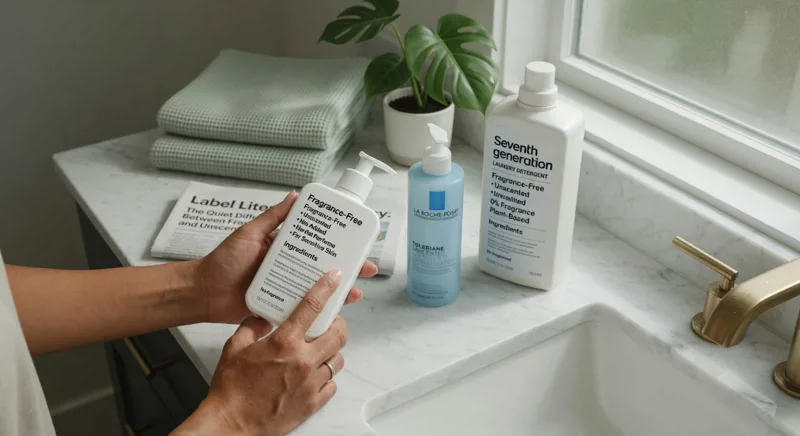
Fragrance-free and unscented do not always mean the same thing. Although both terms suggest a product has little or no noticeable smell, they can describe very different ingredient formulas. Understanding the difference can help you choose safer personal care, cleaning, laundry, and skincare products—especially if you have sensitive skin, allergies, asthma, or fragrance intolerance.
What Does “Fragrance-Free” Mean?
A fragrance-free product is generally formulated without added fragrance materials. These materials may include perfume blends, essential oils, aroma chemicals, or ingredients added primarily to create a pleasant scent.
However, fragrance-free does not necessarily mean odor-free. Ingredients such as plant extracts, oils, preservatives, or cleansing agents can have their own natural or chemical smell. A fragrance-free moisturizer, detergent, or shampoo may therefore have a noticeable scent even though no fragrance has been added.
For people trying to avoid fragrance allergens or scented products, “fragrance-free” is usually the more useful label to look for. The U.S. Food and Drug Administration notes that cosmetics labeled fragrance-free should not contain added fragrance ingredients, although labeling terms are not comprehensively regulated in the same way across all product categories.[3]
What Does “Unscented” Mean?
“Unscented” typically means that a product does not have a noticeable smell. That does not always mean the formula contains no fragrance ingredients.
Manufacturers may use masking agents to cover the natural odor of other ingredients. These chemicals can make a product smell neutral without removing every scent-related ingredient from the formula. The Environmental Protection Agency explains that unscented products may contain chemicals that neutralize or mask the odors of other ingredients.[1]
In simple terms, an unscented laundry detergent or lotion may still contain a masking fragrance. You may not smell perfume, but the formula could still include ingredients that matter to someone with fragrance sensitivity.
Fragrance-Free vs. Unscented: A Quick Comparison
| Label | What It Usually Means | Can It Contain Masking Ingredients? | Best For |
|---|---|---|---|
| Fragrance-free | No added fragrance materials are intended to create or mask a scent | Generally no, although labels and standards can vary | People avoiding fragrance chemicals |
| Unscented | No noticeable scent | Possibly | People who mainly dislike strong odors |
| Free of perfume | No traditional perfume may be added | Possibly, depending on the formula | Consumers comparing ingredient lists carefully |
Why the Difference Matters for Sensitive Skin
Added fragrance is a common source of irritation and allergic contact dermatitis. It may cause itching, redness, burning, dryness, or a rash, especially when used repeatedly on the face, hands, scalp, or other sensitive areas.
Fragrance sensitivity can also affect people with eczema, rosacea, psoriasis, or easily irritated skin. Dermatology guidance commonly favors fragrance-free skincare for sensitive skin because added scents may trigger irritation or allergic reactions.[4]
That said, fragrance-free does not mean every ingredient will suit every person. Preservatives, botanical extracts, alcohols, and certain surfactants can also cause reactions. If a product causes persistent irritation, stop using it and consider speaking with a dermatologist or qualified healthcare professional.
How to Read a Product Label
Marketing language can be confusing, so use the label as a starting point rather than relying on one front-of-package claim.
- Look for “fragrance-free.” This is usually more relevant than “unscented” if you want to avoid fragrance chemicals.
- Check the ingredient list. Look for terms such as “fragrance,” “parfum,” or named fragrance ingredients.
- Be cautious with essential oils. Lavender, citrus, peppermint, eucalyptus, and tea tree oils can add scent and may irritate sensitive skin.
- Do not assume “natural” means gentle. Natural fragrance materials can still cause irritation or allergy.
- Review the full formula. “Free from perfume” does not necessarily mean free from every scent-related ingredient.
- Patch-test new skincare products. Apply a small amount to a limited area first and monitor the skin over the next day or two.
Are Fragrance-Free Products Completely Odorless?
No. A fragrance-free product may smell like its raw ingredients. For example, a cream may have a faint waxy odor, while a cleanser may smell mildly chemical or medicinal. This does not automatically indicate that fragrance has been added.
Conversely, a product labeled unscented may smell neutral because masking ingredients have covered the odor. The absence of a noticeable scent is therefore not proof that the product contains no fragrance-related materials.
What About Fragrance-Free Cleaning and Laundry Products?
The same distinction applies to laundry detergent, fabric softener, dish soap, household cleaners, wipes, and air-care products. If you are trying to reduce exposure to fragrance, choose products specifically identified as fragrance-free and examine the ingredient information when available.
For households managing eczema, allergies, or fragrance-triggered headaches, it may also help to avoid scented dryer sheets, fabric softeners, room sprays, and heavily perfumed cleaning products. Fragrance can linger on clothing, towels, bedding, and household surfaces long after use.
Is There a Trusted Fragrance-Free Certification?
Some third-party programs provide additional reassurance. For example, the EPA’s Safer Choice fragrance-free designation requires qualifying products to meet the program’s ingredient safety criteria and to be verified without fragrance materials or masking scents.[2] A certification can be helpful, but it is still wise to check the product’s ingredient information and consider your own sensitivities.
The Bottom Line
Fragrance-free and unscented do not always mean the same thing. Fragrance-free generally refers to the absence of added fragrance materials, while unscented usually means the product has no noticeable smell—and may still contain masking ingredients.
If you are avoiding fragrance because of sensitive skin, eczema, allergies, asthma, or headaches, prioritize the phrase “fragrance-free,” review the ingredient list, and be cautious with essential oils and vague scent claims. A little label-reading can make everyday product choices much more comfortable and predictable.