Why Oily-Feeling Skin Can Still Need Thoughtful Moisturizing
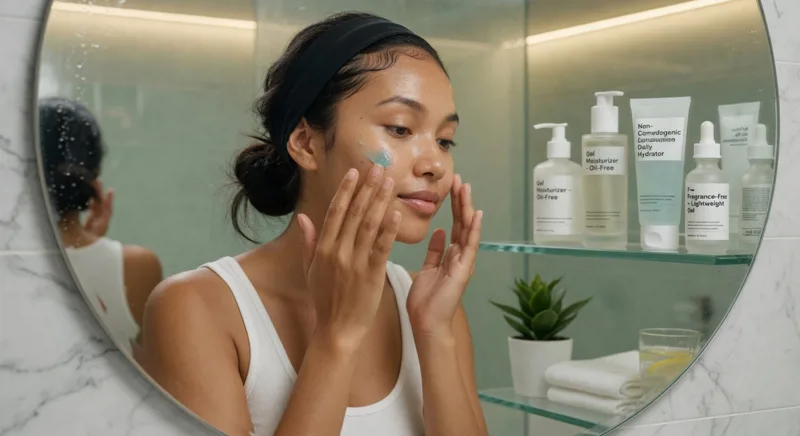
Why can oily-feeling skin still need thoughtful moisturizing? Because surface shine and skin hydration are not the same thing. A well-chosen moisturizer can support the skin barrier, reduce uncomfortable tightness, and help prevent the irritation that often follows aggressive oil-control routines.
Oily Skin Is Not the Same as Fully Hydrated Skin
Oil, or sebum, is produced by the skin’s sebaceous glands. Hydration refers to the amount of water held in the outer layers of the skin. You can have plenty of surface oil while still experiencing dehydration, sensitivity, flaking, or a tight feeling after cleansing.
This combination is sometimes described as dehydrated oily skin. It may look shiny but feel uncomfortable, especially around the cheeks, mouth, or forehead. Over-cleansing, harsh scrubs, strong acne treatments, cold weather, and low humidity can all weaken the skin barrier and increase water loss.
When skin feels stripped, people often respond by washing more frequently or avoiding moisturizer altogether. Unfortunately, that approach can increase irritation and make the complexion feel even more unbalanced.
What Moisturizer Does for an Oily Complexion
Moisturizer does not simply add oil. Its broader purpose is to help the skin retain water and support the protective barrier on its surface. A healthy barrier helps defend against environmental stressors while reducing moisture loss.
Dermatologists commonly recommend applying moisturizer after cleansing, even for oily skin. Products labeled oil-free and non-comedogenic are useful starting points because they are designed to be less likely to clog pores or contribute to acne.[1][2][3]
Thoughtful moisturizing may help you:
- Reduce tightness and post-cleansing discomfort
- Support the skin barrier
- Improve the feel of dry or flaky areas
- Make acne treatments easier to tolerate
- Reduce the temptation to over-cleanse
- Create a smoother base for sunscreen and makeup
Why Aggressive Oil Control Can Backfire
Foaming cleansers, alcohol-heavy products, abrasive exfoliants, and frequent washing can remove too much of the skin’s protective surface lipids. Ingredients such as salicylic acid, glycolic acid, and lactic acid can be helpful for oiliness and clogged pores, but they may also irritate skin when used too often or combined with several other active ingredients.[2]
Irritated skin may feel tight, sting when products are applied, or develop rough patches and visible flaking. At that point, adding more acne treatments may not solve the problem. Simplifying the routine and restoring comfortable hydration can be a better strategy.
How to Choose the Best Moisturizer for Oily Skin
Look for a Lightweight Texture
Gel moisturizers, water creams, and lightweight lotions usually feel more comfortable than rich creams or ointments on oily or acne-prone skin. A lighter texture can provide hydration without leaving a heavy, greasy finish.
Prioritize Helpful Ingredients
Different moisturizer ingredients support the skin in different ways:
- Humectants: Glycerin and hyaluronic acid attract and bind water to the skin.
- Barrier-supporting ingredients: Ceramides, fatty acids, and lipids help reinforce the skin’s protective surface.
- Soothing ingredients: Panthenol, aloe, and colloidal oatmeal may help calm dryness or irritation.
- Occlusives: Ingredients such as petrolatum help reduce water loss but may feel too heavy for some acne-prone users.
Humectants generally feel lighter than occlusive ingredients, while thick occlusive products can aggravate breakouts for some people.[4] This does not mean every oily complexion must avoid all occlusives; it means texture and individual tolerance matter.
Use Labels as Helpful Filters, Not Guarantees
“Non-comedogenic,” “oil-free,” and “won’t clog pores” are useful labels when choosing a facial moisturizer. However, no label can predict exactly how every person’s skin will respond. A fragrance-free formula may also be preferable if your skin is sensitive or easily irritated.
A Simple Moisturizing Routine for Oily Skin
- Cleanse with a gentle, fragrance-free face wash using lukewarm water.
- Pat the skin dry, leaving it slightly damp.
- Apply a small amount of lightweight, non-comedogenic moisturizer.
- Use broad-spectrum sunscreen with SPF 30 or higher during the day.
- Introduce exfoliating or acne-treatment products gradually rather than layering several strong actives at once.
Applying moisturizer while the skin is still slightly damp can help trap water on the surface.[3] If some areas are oily while others feel dry, try a targeted approach: use less product on shiny areas and a little more on tight or flaky patches. Dermatologists also describe this as treating the face in zones rather than applying the same amount everywhere.[1]
Common Moisturizing Mistakes to Avoid
- Skipping moisturizer because your skin looks shiny
- Using a thick cream when a gel or lotion would be more comfortable
- Scrubbing away oil aggressively
- Starting several new products at the same time
- Assuming “natural” automatically means non-irritating
- Forgetting sunscreen because a moisturizer feels sufficient
If you develop persistent burning, painful acne, severe peeling, or a rash, stop irritating products and consider speaking with a dermatologist. Ongoing oiliness may also be related to acne, hormonal changes, medication, or another skin condition that needs individualized care.
The Bottom Line
Oily-feeling skin can still be dehydrated and in need of daily moisture. The goal is not to add unnecessary heaviness, but to choose a lightweight, fragrance-free, non-comedogenic moisturizer that supports the skin barrier without worsening shine or clogged pores. With gentle cleansing, careful use of active ingredients, and consistent sunscreen, thoughtful moisturizing can make oily skin feel calmer, smoother, and more balanced.