The Role of Simulations in Healthcare Training
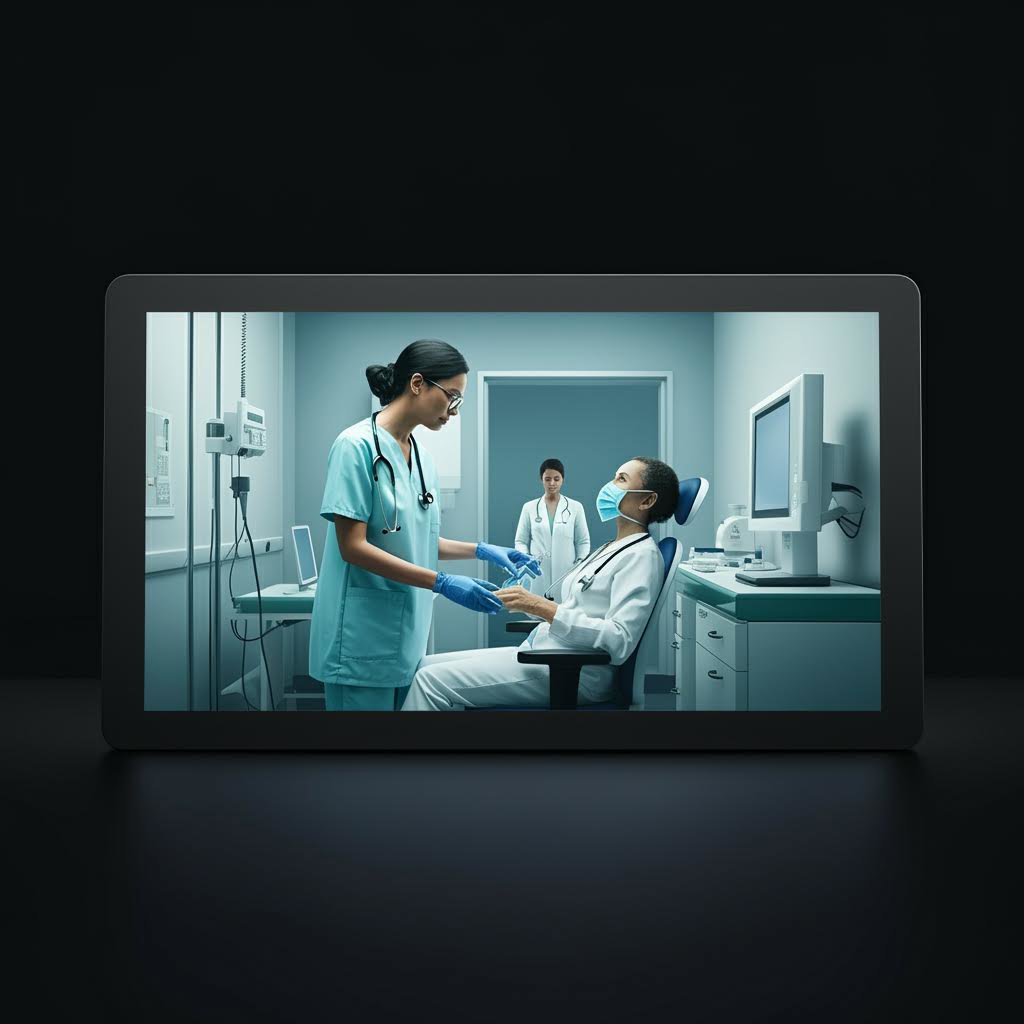
Step into the future of healthcare education, where high-tech simulations are transforming how doctors, nurses, and allied health professionals learn, practice, and ultimately save lives. Discover how these virtual and hands-on experiences are reshaping the very core of medical training.
Simulations: The New Backbone of Healthcare Training
In the fast-paced world of healthcare, simulation training has emerged as a game-changer, bridging the gap between textbook theory and real-world practice. Gone are the days when students learned solely by observing or practicing on real patients. Today, advanced simulations—ranging from lifelike mannequins to immersive virtual reality (VR) environments—allow learners to hone their skills in a safe, controlled setting[1][2][4].
From Classroom to Clinic: Bridging the Gap
The heart of simulation-based education lies in its ability to replicate realistic clinical scenarios. Whether it’s managing a cardiac arrest, performing a complex surgery, or communicating with a distressed patient, simulations provide a risk-free environment for students to practice, make mistakes, and learn from them—without endangering real lives[1][3][4].
These experiences are not limited to common medical cases. Simulations expose trainees to rare but critical conditions they might never encounter during traditional rotations, ensuring they are prepared for any situation that may arise in their careers[1][3].
Building Skills, Confidence, and Teamwork
One of the standout benefits of simulation training is the enhancement of clinical skills. Students can practice procedures—like inserting IV lines, intubating patients, or suturing wounds—repeatedly until they achieve proficiency[1][3]. This repetitive, hands-on approach builds muscle memory and deepens understanding, translating into better performance when it matters most.
But it’s not just about technical skills. Simulations are designed to foster teamwork, communication, and leadership. Interprofessional scenarios bring together doctors, nurses, pharmacists, and other healthcare workers, mirroring the collaborative nature of real healthcare teams[2][3]. These exercises teach participants how to communicate effectively, delegate tasks, and make critical decisions under pressure.
Immediate Feedback and Continuous Improvement
Unlike traditional learning, where feedback may be delayed or inconsistent, simulation training offers instant performance feedback. After each scenario, learners participate in structured debriefing sessions, where their actions are reviewed and discussed[3][4]. This immediate reflection helps solidify lessons, correct errors, and reinforce best practices.
The ability to repeat scenarios is another major advantage. Students can revisit challenging cases, try different approaches, and refine their techniques until they reach a high level of competency[1][3][4].
Patient Safety: The Ultimate Goal
At its core, simulation training is about improving patient safety. By allowing students to practice and perfect their skills in a no-risk environment, simulations reduce the likelihood of errors when caring for real patients[2][4]. Research consistently shows that simulation-based training leads to better clinical outcomes and fewer mistakes compared to traditional methods[4].
This focus on safety extends beyond individual skills. Simulations can recreate complex healthcare systems, helping teams identify and address potential system-wide issues before they impact patient care[2].
Technology at the Forefront
The world of healthcare simulation is rapidly evolving. High-fidelity mannequins can mimic a wide range of medical conditions, responding to interventions just like real patients[1][4]. Virtual and augmented reality platforms immerse learners in lifelike environments, from bustling emergency rooms to remote clinics[1][4]. These innovations keep training relevant and engaging, ensuring that healthcare professionals are always prepared for the latest challenges.
Challenges and the Road Ahead
Despite its many advantages, simulation-based training is not without challenges. Implementing these programs requires significant investment in equipment, technology, and faculty training[4]. There are also ongoing debates about how well simulation skills transfer to real-life clinical settings and how to ensure scenarios are as realistic as possible[4].
However, the momentum is undeniable. Leading institutions are investing in simulation research, developing standards, and expanding access to these transformative tools[2][4]. As technology advances and best practices evolve, simulation is poised to become an even more integral part of healthcare education worldwide.
Conclusion: A New Era in Healthcare Training
Simulation training is revolutionizing how healthcare professionals learn, practice, and deliver care. By providing a safe, immersive, and feedback-rich environment, simulations build competence, confidence, and collaboration—all while keeping patient safety at the forefront. As the healthcare landscape grows more complex, simulation will remain a vital tool in preparing the next generation of lifesavers.