How Your Brain Processes Pain Signals
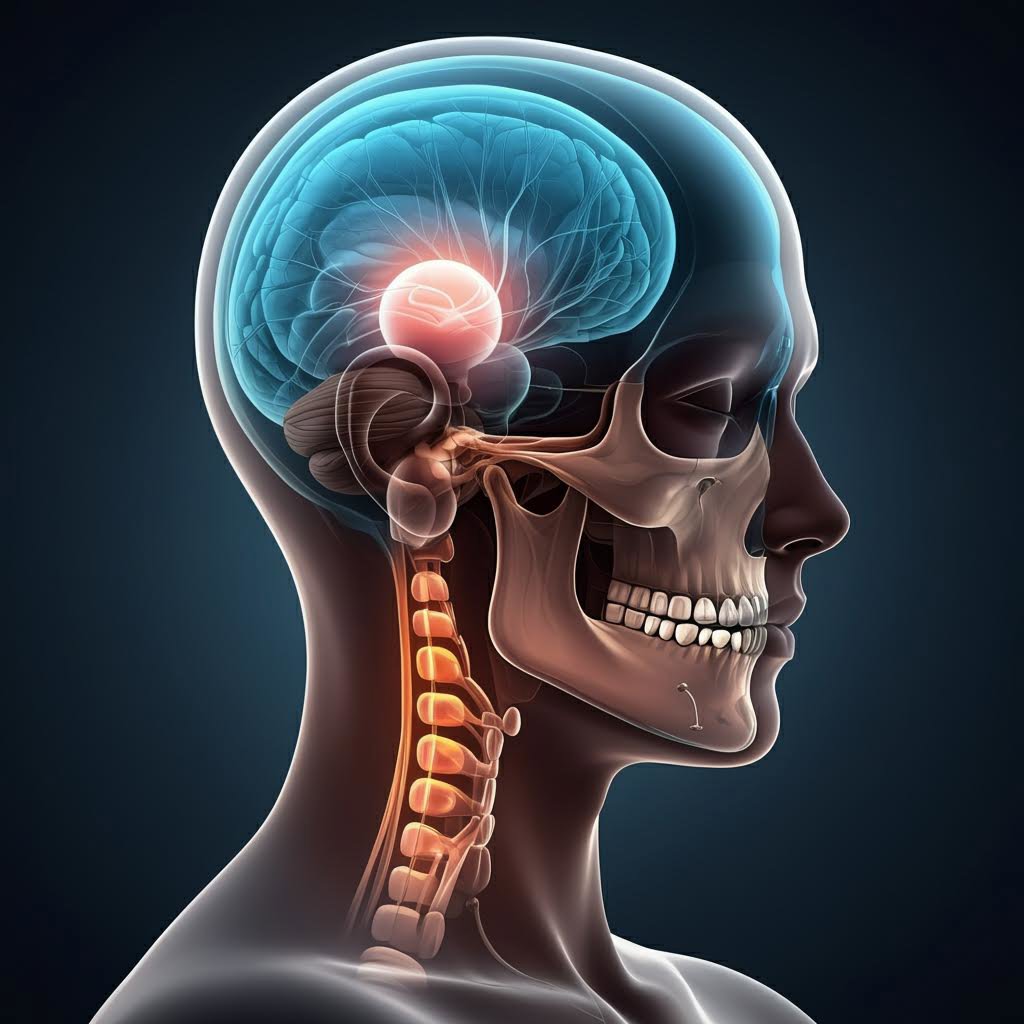
Pain is more than a sensation—it’s a complex, high-speed relay race through your nervous system, ending in a symphony of brain activity that shapes how you feel, react, and remember every twinge. Here’s how your brain processes pain signals, from the first prick to the final perception.
The First Responders: Nociceptors
The journey of pain begins at the site of injury with specialized nerve endings called nociceptors. These microscopic sentinels are embedded throughout your skin, muscles, joints, and organs, constantly on the lookout for potentially harmful stimuli—think heat, pressure, or chemical irritants. When they detect something dangerous, they convert this threat into an electrical signal, launching the pain pathway into action[4].
Transduction: Turning Damage into Data
The process starts with transduction, where the nociceptors transform the physical or chemical damage into electrical impulses. This is the body’s way of translating injury into a language the nervous system understands[3].
Transmission: The Pain Signal Highway
Once generated, these electrical signals travel along nerve fibers toward the spinal cord. There are three main types of fibers involved:
- A-β fibers: Large, myelinated, and fast—these usually carry non-painful touch signals.
- A-δ fibers: Smaller, thinly myelinated, and quick—these transmit sharp, immediate pain (like a pinprick).
- C fibers: Smallest, unmyelinated, and slow—these deliver dull, throbbing, or burning pain[1].
The pain signal races along these fibers to the dorsal horn of the spinal cord, where it meets a crucial checkpoint: the Substantia gelatinosa. Here, the signal can be amplified, dampened, or even blocked, depending on the interplay of different nerve fibers and interneurons—a concept known as the Gate Control Theory of Pain[1].
Gate Control: The Spinal Cord’s Security Checkpoint
The Gate Control Theory suggests that the spinal cord acts like a bouncer, deciding which pain signals get through to the brain. If non-painful signals (like rubbing a bumped elbow) activate the large A-β fibers, they can “close the gate,” inhibiting pain transmission. But if the smaller A-δ and C fibers are firing, the gate opens, and pain signals surge upward[1].
Ascending to the Brain: The Pain Pathways
Once past the spinal cord, pain signals ascend via the spinothalamic tract to the brainstem and then to the thalamus—the brain’s central relay station. Here, the signals are sorted and sent to various brain regions for further processing[4].
- Somatosensory Cortex: Pinpoints the location, intensity, and nature of the pain.
- Insula and Anterior Cingulate Cortex: Assign emotional meaning—why pain can feel distressing or even unbearable.
- Thalamus and Premotor Cortex: Coordinate your body’s response, from flinching to fleeing[2].
Modulation: The Brain Fights Back
Pain isn’t a one-way street. The brain can send signals back down the spinal cord to modulate, or adjust, the pain experience. This descending modulation can amplify pain (as in chronic pain conditions) or dampen it (think of soldiers not noticing injuries in battle). Neurotransmitters like endorphins and serotonin play a starring role in this process, acting as natural painkillers[3].
The Unified Experience: More Than Just a Feeling
Pain is not just a physical sensation—it’s a multidimensional experience. The brain weaves together sensory, emotional, and cognitive threads to create the tapestry of pain. This is why the same injury can feel more intense when you’re anxious or less severe when you’re distracted or comforted[2].
Functional brain imaging shows that pain lights up a network of regions, including the insula, anterior cingulate cortex, thalamus, and cerebellum. The intensity of activity in these areas often matches how much pain you report feeling[2].
When Pain Goes Rogue: Chronic and Phantom Pain
Sometimes, the pain system malfunctions. Damage to the nervous system can cause neuropathic pain, where pain signals fire without any real injury. In rare cases, the brain can even generate pain in a missing limb—a phenomenon known as phantom limb pain. These conditions highlight the brain’s powerful role in shaping pain, sometimes independent of actual tissue damage[2].
Why Understanding Pain Matters
Grasping how your brain processes pain signals isn’t just academic—it’s the key to better treatments. By targeting different steps in the pain pathway, from blocking nociceptors to modulating brain circuits, researchers are developing smarter, more effective ways to manage pain and improve quality of life.
The next time you stub your toe or nurse a headache, remember: your pain is a high-speed, high-stakes relay through your nervous system, shaped by biology, psychology, and even your own thoughts. Understanding this journey is the first step toward mastering it.