The Science of Stress: What’s Happening Internally
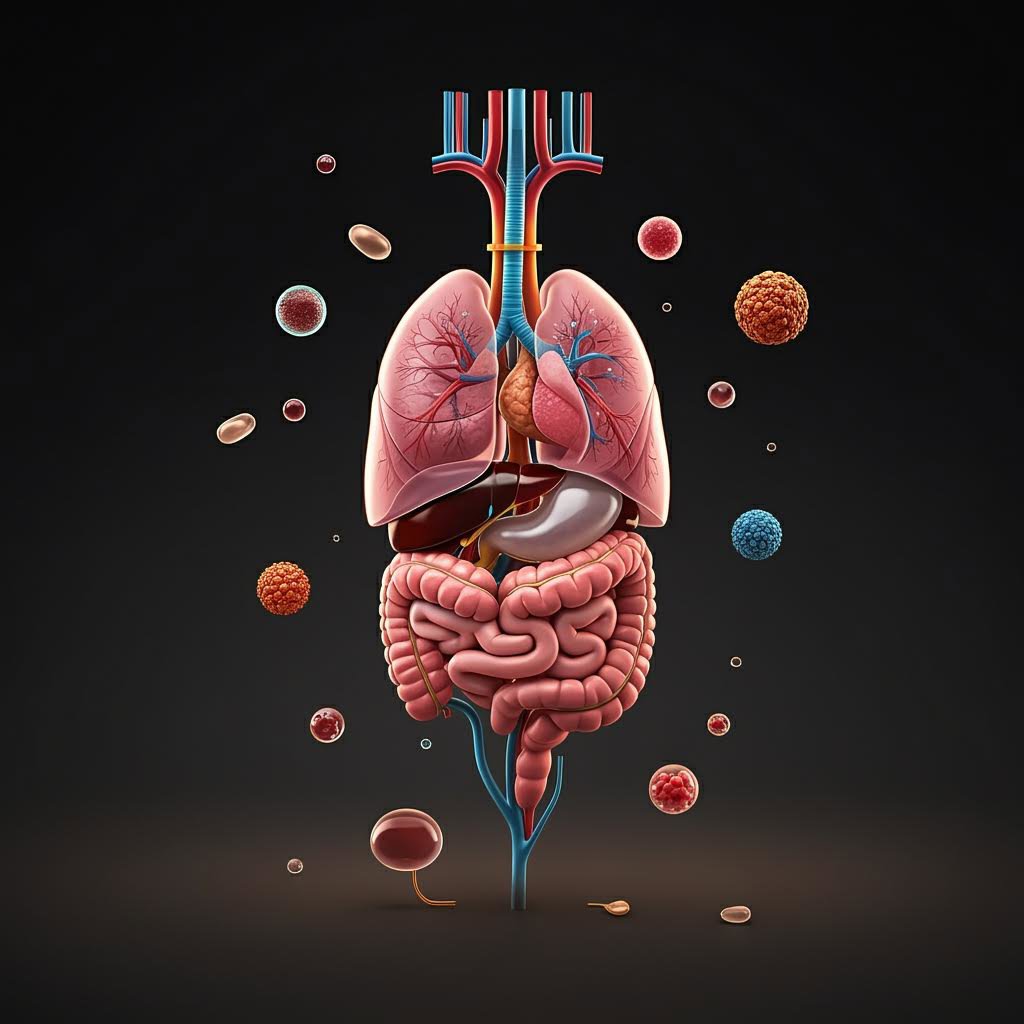
Ever wondered what’s really happening inside your body when you’re stressed? The science of stress reveals a fascinating, high-stakes internal drama—one that can shape your health, mood, and even your future. Let’s dive into the biology behind stress and discover why it’s both a lifesaver and a potential saboteur.
The Stress Response: Your Body’s Alarm System
Stress is more than just a feeling—it’s a full-body reaction designed to keep you alive. When you encounter a threat, whether it’s a looming deadline or a near-miss on the highway, your brain’s hypothalamus acts as a command center. It sends urgent signals to your adrenal glands, which release a surge of stress hormones like adrenaline and cortisol. This is the classic “fight-or-flight” response, a survival mechanism that primes your body for action by:
- Increasing heart rate and blood pressure to pump more oxygen to your muscles
- Quickening your breath to boost oxygen intake
- Tensing your muscles to prepare for rapid movement
- Sharpening your senses and focusing your attention
This response is lightning-fast and highly effective in emergencies. But here’s the catch: your body can’t always tell the difference between a real threat and everyday stressors like traffic jams or work emails. When stress becomes chronic, the same internal systems that once protected you can start to wear you down[2][3].
Inside the Stress Cascade: Hormones and Brain Chemistry
The stress response is orchestrated by a network called the hypothalamic-pituitary-adrenal (HPA) axis. Here’s how it works:
- The hypothalamus releases corticotropin-releasing hormone (CRH).
- CRH signals the pituitary gland to secrete adrenocorticotropic hormone (ACTH).
- ACTH prompts the adrenal glands to release cortisol and adrenaline.
Cortisol is the body’s main stress hormone. It increases glucose in the bloodstream, enhances your brain’s use of glucose, and curbs nonessential functions—like digestion and reproduction—so you can focus on survival. Adrenaline boosts your heart rate and energy supplies[2][3].
Stress and the Body: A Systemic Impact
Stress doesn’t just affect your mind—it touches every major system in your body. Here’s what happens internally:
- Cardiovascular System: Stress hormones make your heart beat faster and your blood vessels constrict, raising blood pressure. Over time, this can damage blood vessels, promote artery-clogging deposits, and increase the risk of heart disease[1][3].
- Musculoskeletal System: Muscles tense up reflexively, ready to spring into action. Chronic tension can lead to headaches, migraines, and musculoskeletal pain[4].
- Respiratory System: Breathing becomes rapid and shallow. For those with asthma or lung conditions, this can worsen symptoms[4].
- Digestive System: Stress slows digestion, diverts blood away from the gut, and can cause stomachaches, nausea, or even irritable bowel syndrome[2][4].
- Immune System: Short-term stress can boost immunity, but chronic stress suppresses it, making you more vulnerable to infections and slowing recovery[2][4].
- Endocrine System: Prolonged cortisol exposure disrupts hormone balance, affecting everything from metabolism to reproductive health[4].
- Nervous System: Chronic stress can cause structural changes in the brain, particularly in areas involved in memory, learning, and emotional regulation[1].
Chronic Stress: When the Alarm Won’t Shut Off
The real danger comes when stress is unrelenting. Chronic stress keeps your body’s alarm system stuck in the “on” position, flooding your system with hormones that were never meant to linger. Over time, this can lead to:
- High blood pressure and increased risk of heart attack or stroke
- Weakened immune response, making you more susceptible to illness
- Digestive problems like ulcers or irritable bowel syndrome
- Sleep disturbances and chronic fatigue
- Anxiety, depression, and mood disorders
- Weight gain and metabolic issues
- Memory and concentration problems
Researchers have even linked chronic stress to changes in brain structure, including shrinkage in areas responsible for memory and emotional control[1][3].
Why Understanding Stress Matters
Stress is a universal experience, but its effects are deeply personal and profoundly physical. By understanding the science behind stress, you can recognize its signs, appreciate its evolutionary purpose, and take steps to manage it before it takes a toll on your health. The next time you feel your heart race or your muscles tense, remember: your body is trying to protect you. The real challenge is learning how to turn off the alarm when the threat has passed.