How to Grocery Shop With Nutrition in Mind
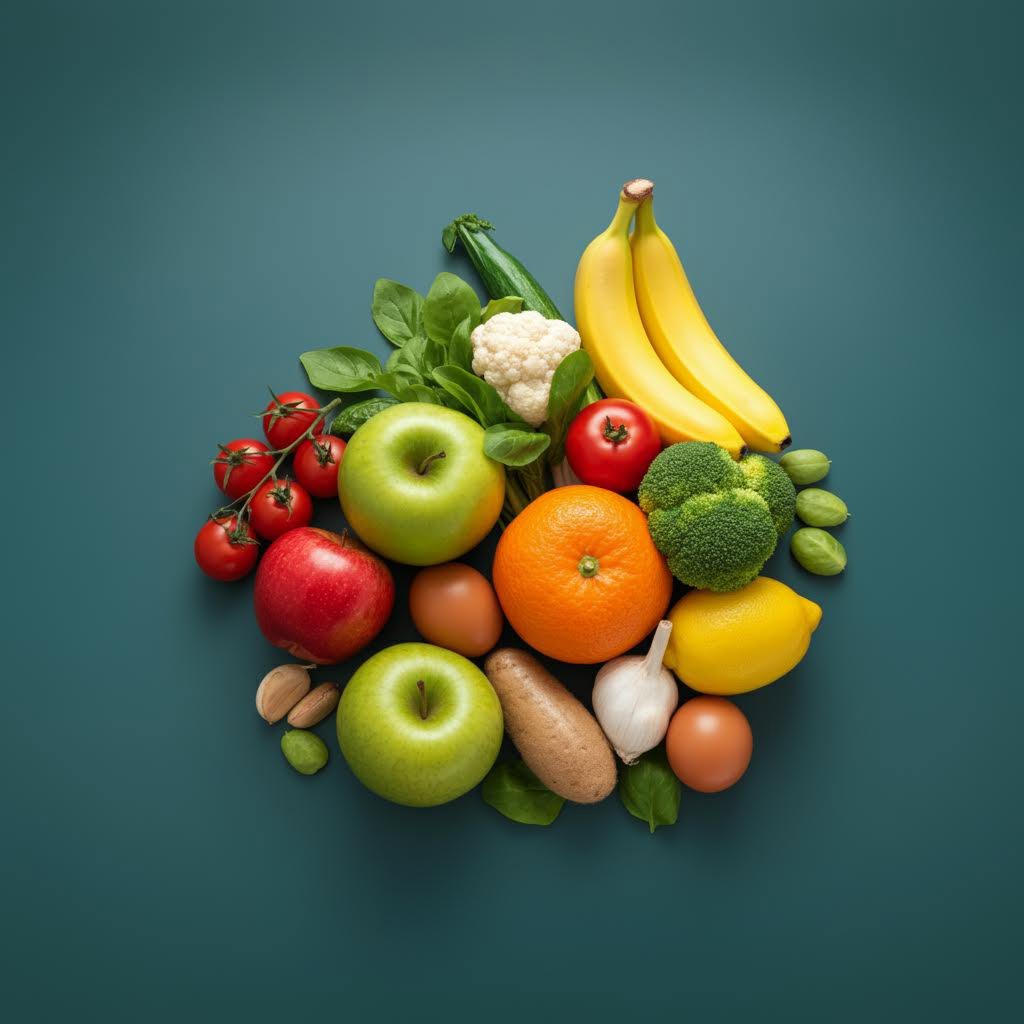
Ready to transform your grocery cart into a powerhouse of nutrition? Shopping with health in mind isn’t just about what you buy—it’s about how you plan, choose, and navigate every aisle. Here’s your ultimate guide to grocery shopping that fuels your body and delights your taste buds.
Start With a Plan: The Power of a Thoughtful List
Before you even set foot in the store, planning is your secret weapon. A well-structured grocery list not only saves time but also steers you away from impulse buys and helps you stick to your nutrition goals. Research shows that shoppers who use a list make healthier choices and waste less food, all while saving money and reducing stress at mealtime[1][3].
- Map out your meals for the week and jot down the ingredients you’ll need.
- Organize your list by category—produce, proteins, grains, dairy, and pantry staples—to streamline your trip and avoid backtracking[2].
- Include healthy snacks and staples to prevent last-minute unhealthy grabs.
Shop the Perimeter: Where Nutrition Shines
Most grocery stores are designed with fresh, whole foods around the outer aisles. This is where you’ll find the nutritional heavy hitters:
- Fruits and Vegetables: Fill your cart with a rainbow—apples, berries, spinach, broccoli, sweet potatoes, and more. Fresh, frozen, or even canned (in water or their own juice) all count[1][3].
- Lean Proteins: Choose skinless chicken or turkey, eggs, fish like salmon or trout, and plant-based proteins such as beans and lentils[1][2].
- Dairy and Alternatives: Opt for Greek yogurt, low-fat milk, or fortified plant-based milks. Look for options with minimal added sugar[1].
Go for Whole Grains and Fiber
When it comes to bread, pasta, and rice, whole grains are your best friend. They’re packed with fiber, vitamins, and minerals that refined grains lack.
- Look for “whole grain” or “whole wheat” as the first ingredient on labels[2].
- Choose brown rice, quinoa, oats, and whole wheat pasta for lasting energy and digestive health[1].
- Pick breads with at least 3-4 grams of fiber per slice and minimal added sugar[2].
Read Labels Like a Pro
Not all packaged foods are created equal. Reading nutrition labels is crucial for making informed choices:
- Check the ingredients list—the shorter and more recognizable, the better[2].
- Scan for added sugars, sodium, and unhealthy fats. Aim for products with less of these and more fiber, protein, and essential nutrients.
- Be wary of health claims on the front; always verify with the nutrition facts panel[2].
Stock Up on Pantry Staples
A well-stocked pantry makes healthy eating easy, even on busy days. Keep these nutrient-dense staples on hand:
- Grains: Brown rice, oats, quinoa, whole wheat pasta[1].
- Canned goods: Beans, lentils, tomatoes, tuna, pumpkin (choose low-sodium or no-salt-added when possible)[1].
- Nuts and seeds: Almonds, pumpkin seeds, natural nut butters for healthy fats and protein[1][4].
- Oils and vinegars: Olive oil, avocado oil, balsamic vinegar for cooking and dressings[1].
Don’t Forget the Freezer
Frozen fruits and vegetables are just as nutritious as fresh and last much longer. They’re perfect for smoothies, stir-fries, and quick sides[1].
- Stock up on frozen berries, spinach, kale, and mixed veggies.
- Look for options without added sauces or sugar.
Smart Swaps and Savvy Choices
Small changes can make a big difference. Try these simple swaps for a healthier cart:
- Swap white bread for whole grain or sprouted-grain bread[2].
- Choose plain Greek yogurt over flavored varieties to cut added sugar.
- Pick sparkling water or unsweetened coconut water instead of sugary drinks[1].
- Replace processed snacks with nuts, seeds, or dried fruit (in moderation)[1].
Stay Mindful and Flexible
Nutrition-focused shopping isn’t about perfection—it’s about making better choices, one trip at a time. If you’re shopping for a family, include everyone’s favorites in a balanced way. And remember, building healthy habits is a journey, not a sprint[3][4].
Quick Tips for Success
- Never shop hungry—eat a snack before you go to avoid temptation.
- Stick to your list, but allow for seasonal produce swaps and sales.
- Try one new healthy item each trip to keep things interesting.
With a little planning and a lot of curiosity, your next grocery trip can be the start of a healthier, happier you. Fill your cart with color, variety, and whole foods—and let nutrition lead the way!