What Portion Control Actually Looks Like in Real Life
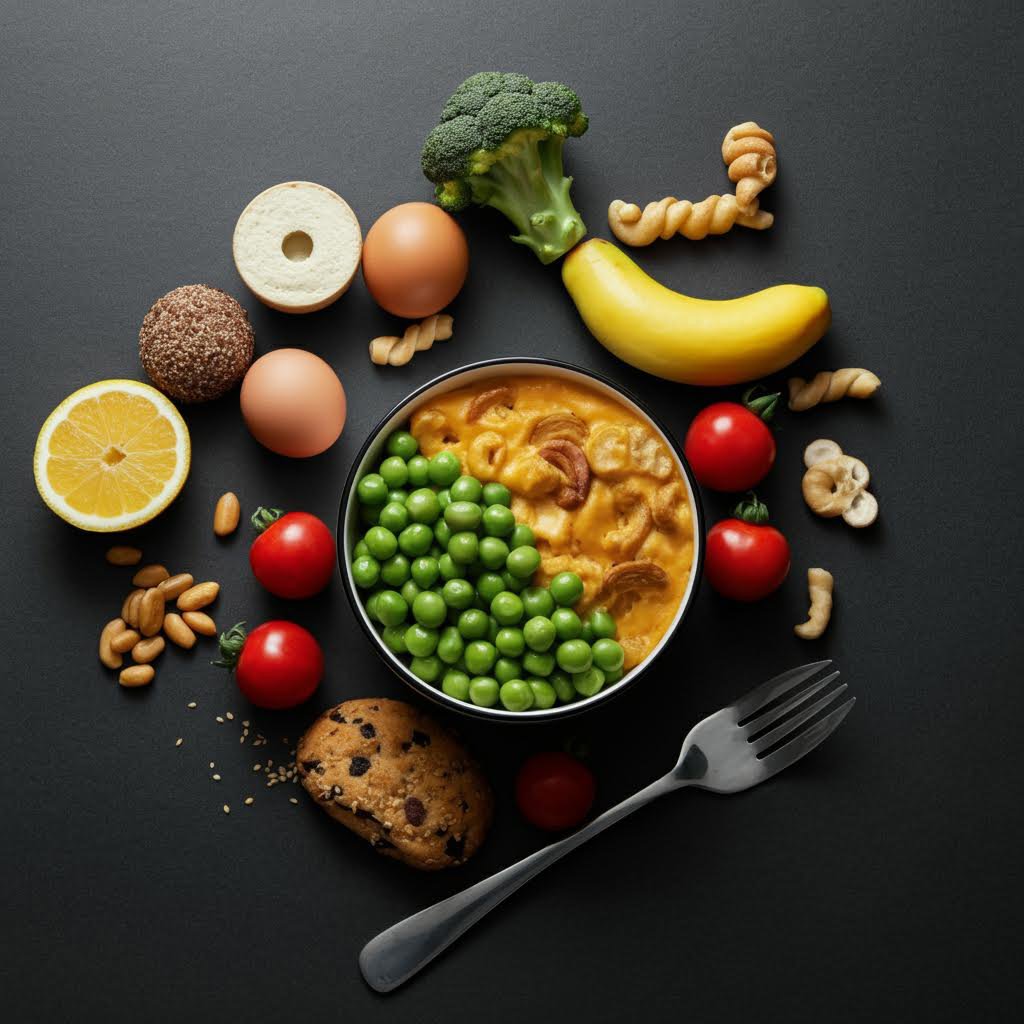
Portion control isn’t just a buzzword—it’s the secret weapon for anyone looking to eat healthier without feeling deprived. But what does portion control actually look like in the chaos of real life? Let’s break down the art of eating just enough, with practical tips and visual cues you’ll never forget.
Why Portion Control Matters
In a world of supersized everything, it’s easy to lose track of how much we’re really eating. Research shows that when we’re served more, we eat more—often without realizing it. Portion control helps you manage your calorie intake, supports weight management, and keeps your energy levels steady throughout the day. It’s not about restriction; it’s about awareness and balance.[2]
Visual Cues: Your Everyday Portion Guide
Forget the food scale and measuring cups—your hands and household objects are the ultimate tools for portion control. Here’s how to size up your servings without the math:
- Protein: A palm-sized portion for women, two palms for men. Think chicken breast, fish, or tofu.[1]
- Carbohydrates: A fist-sized portion for women, two fists for men. Picture brown rice, pasta, or potatoes.[1]
- Vegetables or Fruit: One cupped hand per serving. For fruit, a tennis ball-sized apple or orange is a perfect match.[1][2]
- Fats: One thumb-sized portion for women, two for men. This covers butter, oils, or nut butters.[1]
For even more clarity, compare your food to everyday objects:
- Baseball: One serving of vegetables (like a medium pepper or tomato).[2]
- Tennis ball: One serving of fruit (like a small apple or orange).[2]
- Deck of cards: A serving of meat or fish.
- Dice: A serving of cheese (about 1 ounce).
The Plate Method: Simplicity on Every Table
If you want a foolproof way to balance your meals, use your plate as a guide. Here’s the winning formula:
- Half your plate: Non-starchy vegetables (think broccoli, spinach, peppers, or salad).
- One quarter: Lean protein (chicken, fish, beans, or eggs).
- One quarter: Whole grains or starchy vegetables (brown rice, quinoa, sweet potatoes).
- Small center portion: Healthy fats (avocado, nuts, or olive oil).[1]
This method not only keeps portions in check but also ensures you’re getting a variety of nutrients at every meal.
Real-Life Portion Control Hacks
- Eat from a plate or bowl, not the package. Pour out a serving, put the rest away, and avoid mindless munching.[3][4]
- Use smaller dishes. Downsizing your plates and bowls can trick your brain into feeling satisfied with less.[4]
- Slow down and savor. It takes about 15 minutes for your brain to register fullness. Eating slowly helps you stop before you’re stuffed.[4]
- Pre-portion snacks. Divide big bags of chips or nuts into single servings to avoid accidental overeating.[4]
- Share or save restaurant meals. Split a large entrée with a friend or box up half for later. Restaurant portions are often double what you need.[3]
- Don’t eat in front of screens. Distractions make it easy to lose track of how much you’re eating. Sit at the table and focus on your food.[3][4]
- Keep tempting foods out of sight. If it’s not on the counter, you’re less likely to reach for it.[3]
Portion Control in Action: Everyday Examples
- Breakfast: One fist-sized serving of oatmeal, a palm-sized scoop of Greek yogurt, and a tennis ball-sized apple.
- Lunch: Half a plate of mixed greens, a quarter plate of grilled chicken (deck of cards size), and a quarter plate of quinoa.
- Snack: A small handful of nuts (about 1 ounce, or the size of a shot glass).
- Dinner: Half a plate of roasted veggies, a palm-sized salmon fillet, and a fist-sized baked sweet potato.
- Dessert: One or two small squares of dark chocolate, not the whole bar.
Common Portion Pitfalls (and How to Outsmart Them)
- Super-sized servings: Restaurants and packaged foods often serve two or three times a standard portion. Always check labels and consider sharing or saving half for later.[3]
- Mindless eating: Grazing while distracted leads to overeating. Make meals intentional and screen-free.[4]
- “Healthy” food overload: Even nutritious foods like nuts, avocado, or whole grains can add up. Stick to recommended portions for all foods.[1][3]
Building Lasting Habits
Portion control isn’t about perfection—it’s about progress. Start by making small changes, like using smaller plates or pre-portioning snacks. Over time, your eyes and stomach will adjust, and you’ll find it easier to eat just enough for your needs. Remember, portion control is a lifelong skill that empowers you to enjoy all foods, guilt-free and in balance.